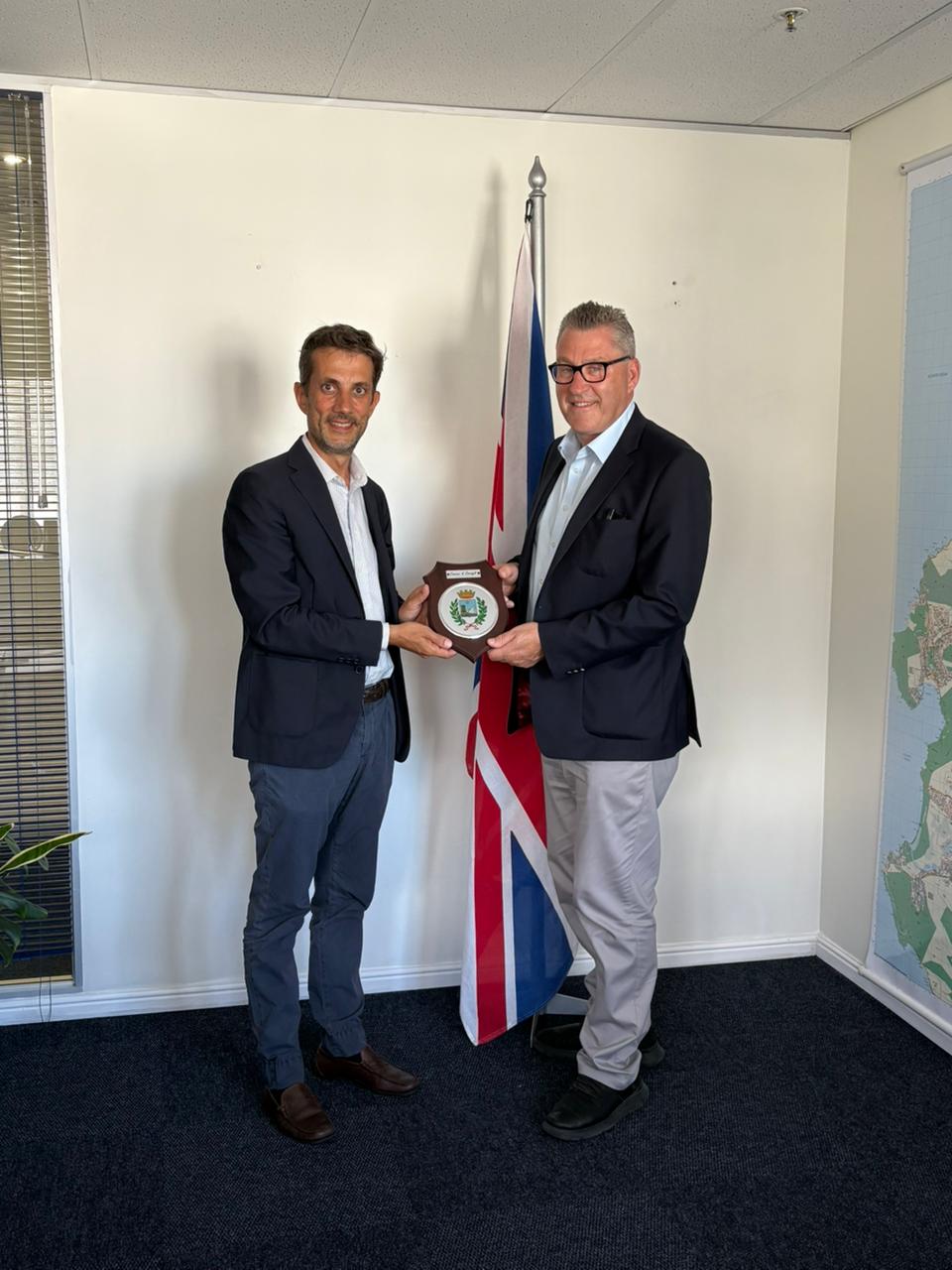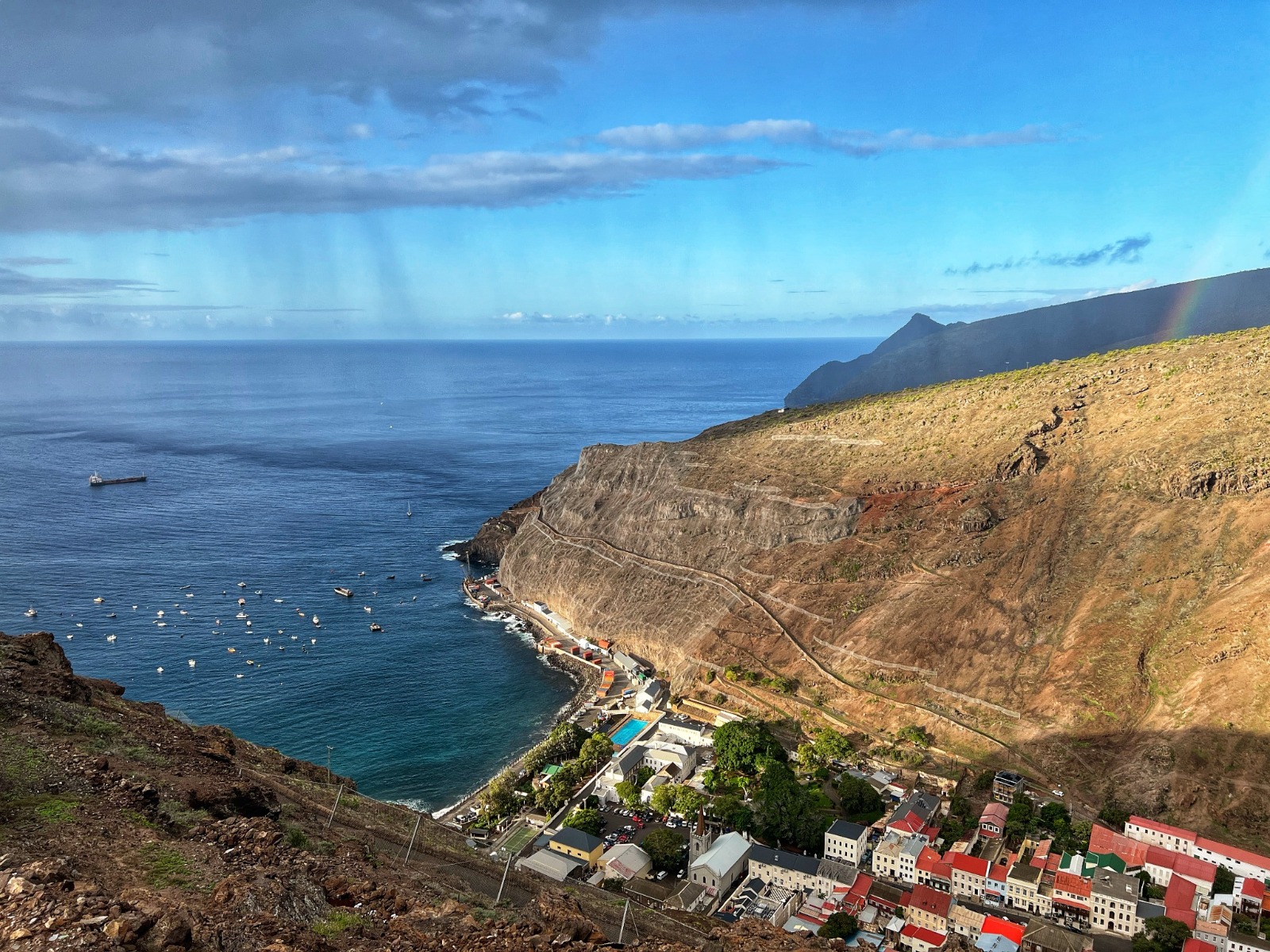
From 24 to 27 January, Consul Giulio Mignacca visited Saint Helena, marking the first visit of an Italian diplomatic representative to the island.
Saint Helena, located in the South Atlantic Ocean, is a British Overseas Territory of extraordinary historical, cultural, and environmental significance. The island falls under the consular jurisdiction of the Consulate of Italy in Cape Town, which also covers the other territories of the archipelago: Ascension and Tristan da Cunha.
The mission was part of broader efforts to strengthen institutional relations between Italy and Saint Helena, building on initiatives already undertaken by the Italian Embassy in the United Kingdom. Its aims were to consolidate dialogue, promote mutual understanding, and explore potential areas of cooperation, particularly in the fields of culture, historical and symbolic heritage, sustainable tourism, and environmental protection.
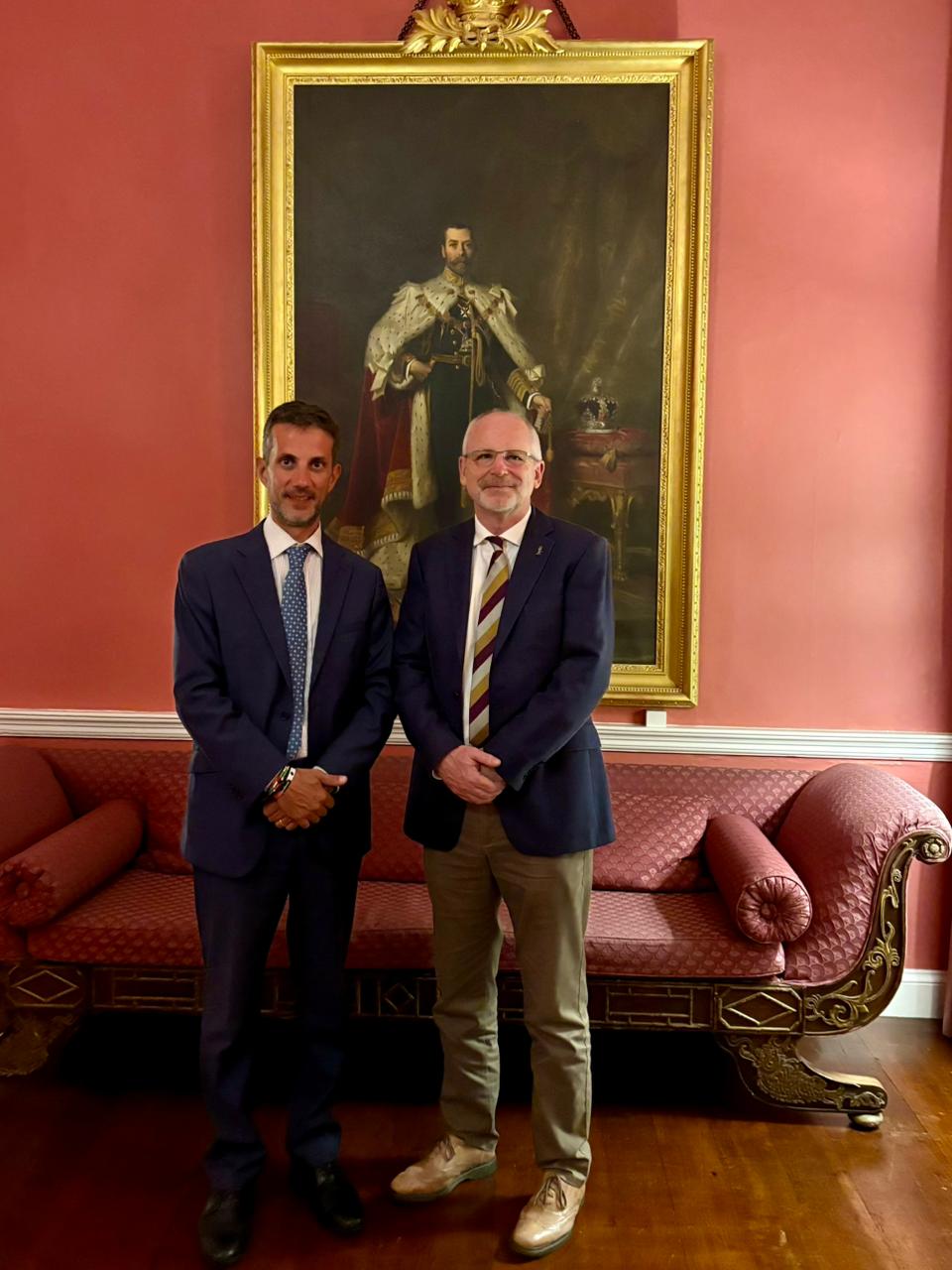
A central moment of the mission was the meeting with the Governor of Saint Helena, Nigel Phillips, which provided an important opportunity to discuss relations between Italy and the Territory and to explore prospects for future collaboration.
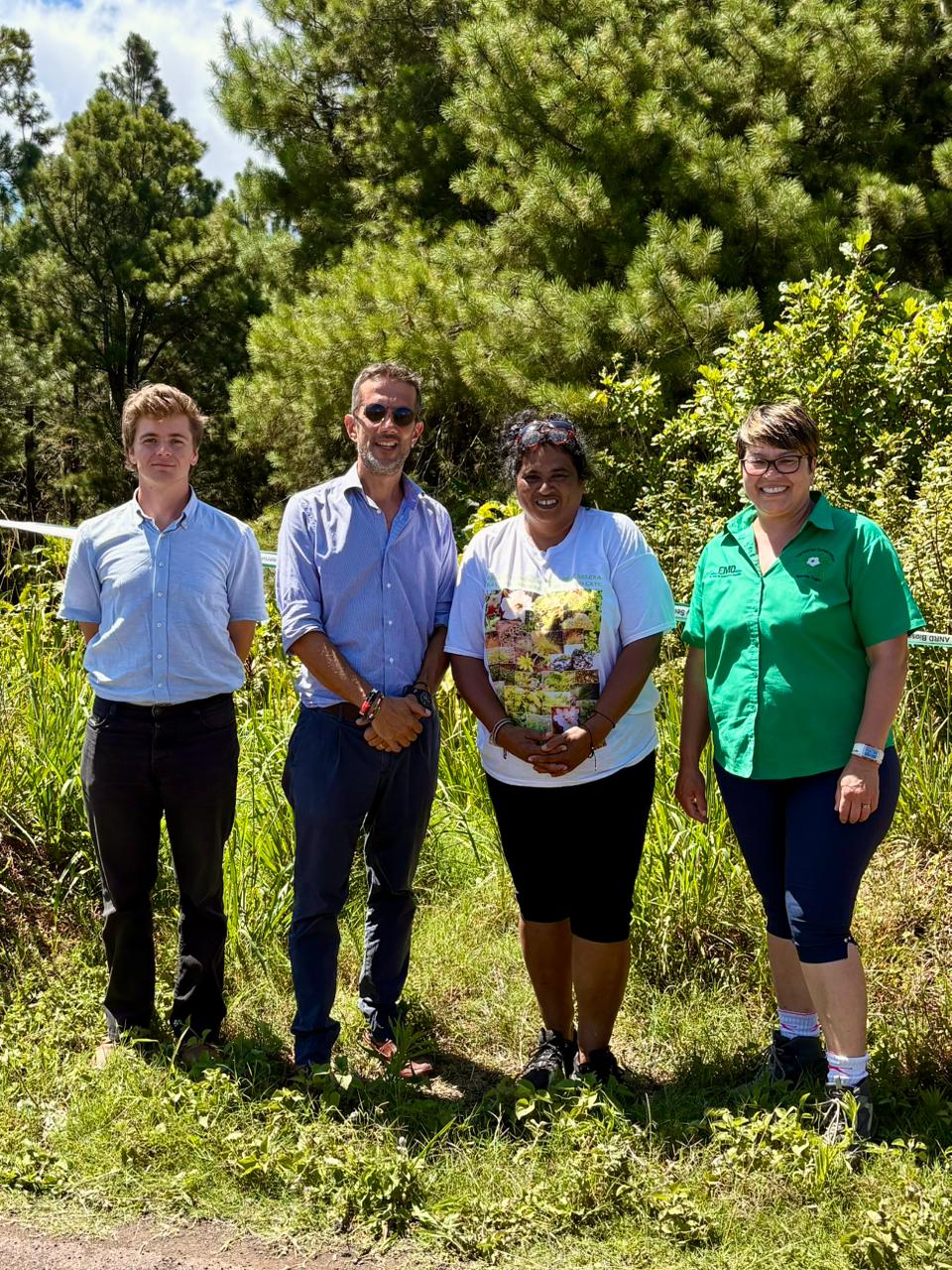
During the visit, the Consul also met with officials from the Department for Environment, Natural Resources and Planning, the Marine Centre, and the St Helena Research Institute, addressing issues related to biodiversity protection, sustainable land management, and the preservation of the island’s extraordinary natural heritage. Special attention was paid to the numerous endangered endemic species, while also laying the groundwork for potential scientific and academic cooperation between local and Italian researchers.
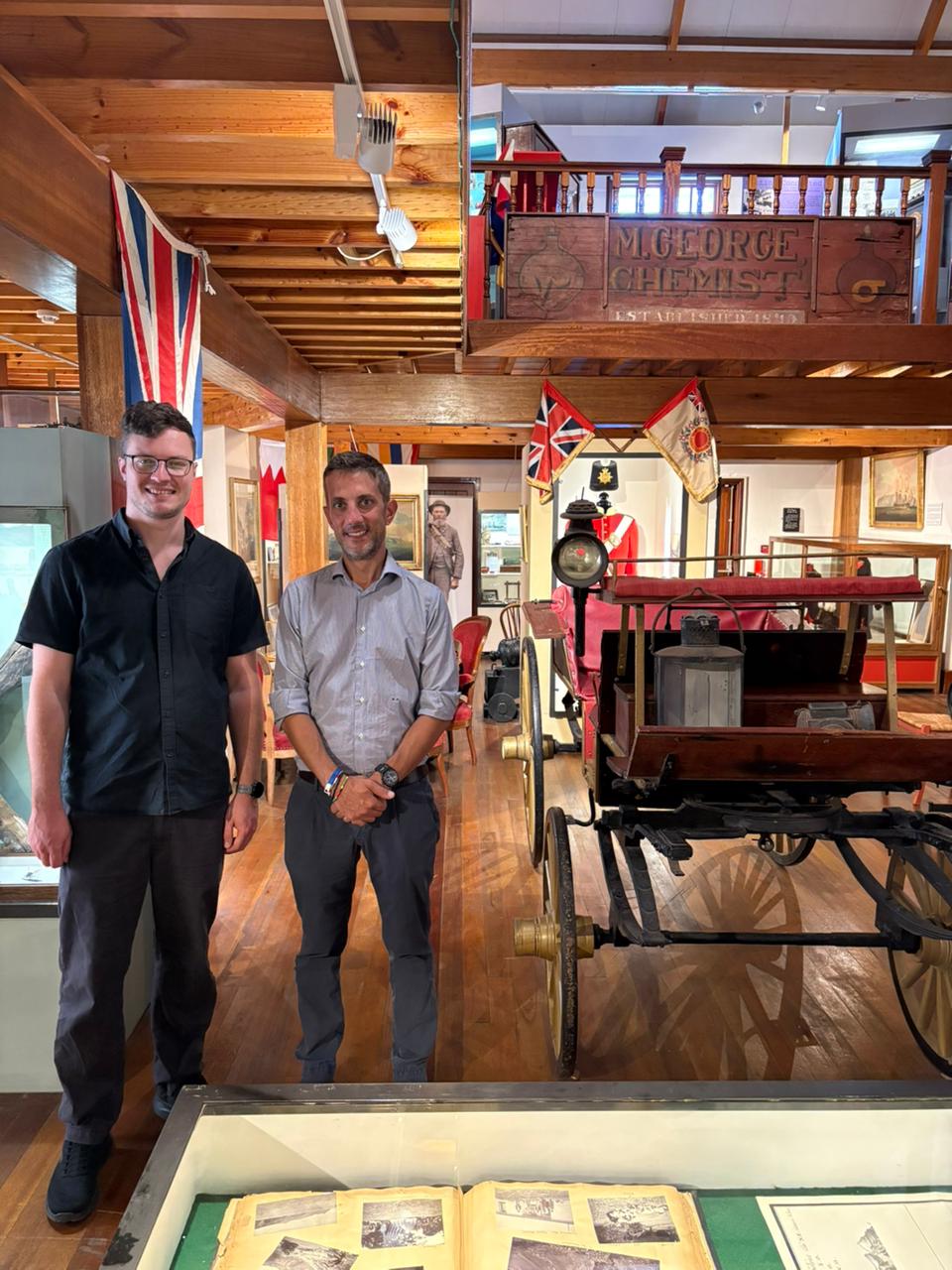
The programme included a visit to the Jamestown Museum, a key reference point for the history and cultural identity of Saint Helena, which preserves essential evidence of the island’s past and its role in global history.
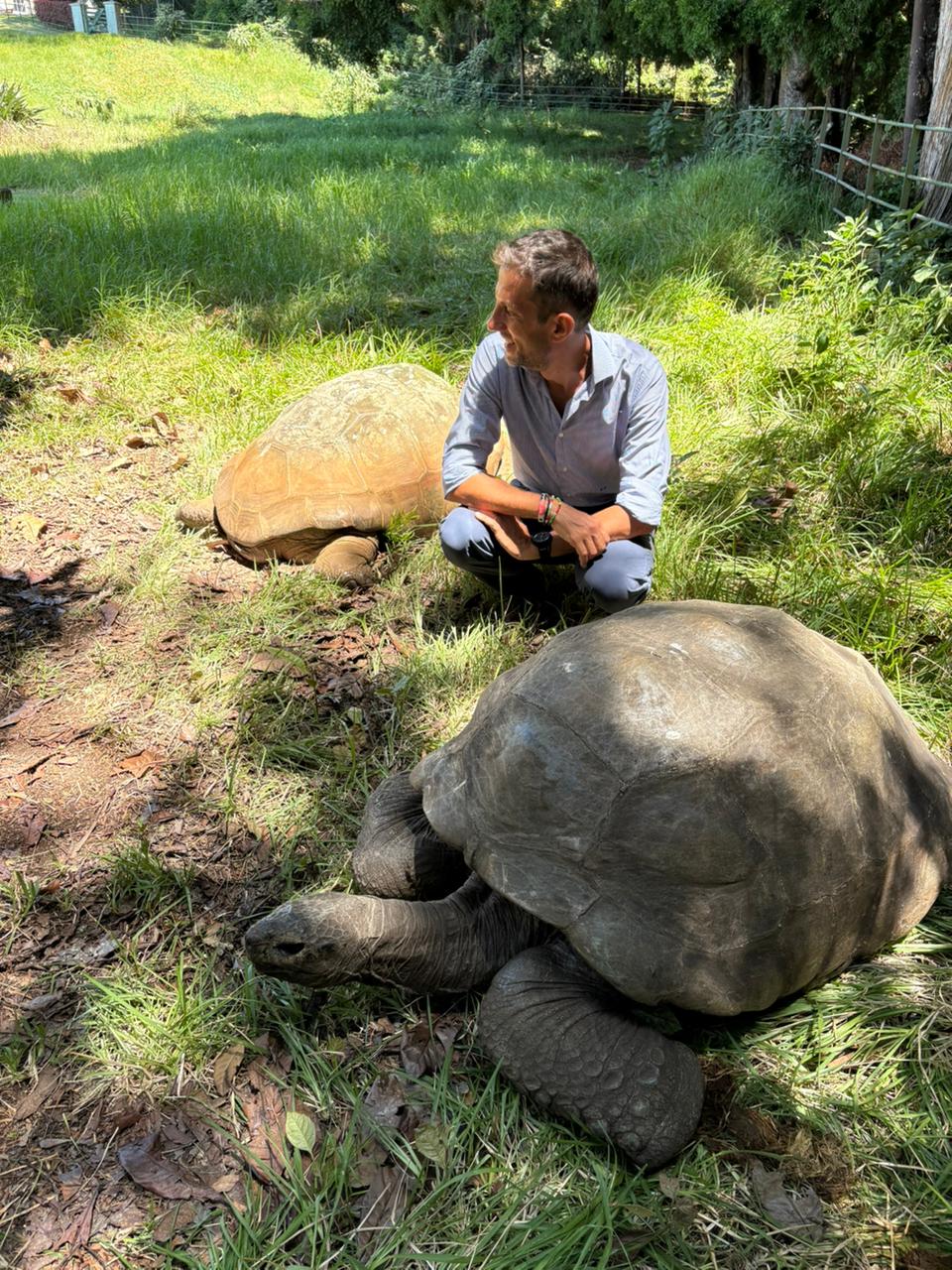
The visit also included a meeting with Jonathan the tortoise, the world’s oldest terrestrial animal, a symbol of Saint Helena, who remarkably continues to thrive at 193 years of age.
The historical link between Tristan da Cunha and Camogli
The mission provided an opportunity to renew and highlight the historical link connecting Tristan da Cunha to the Ligurian town of Camogli for over a century, rooted in shared maritime traditions and the shipwreck of the brigantine Italia.
On 3 October 1892, the brigantine Italia, which had departed from Scotland bound for Cape Town with a cargo of coal, caught fire in its hold and was wrecked near Tristan da Cunha. The crew, mostly Ligurian sailors under the command of Rolando Perasso, was rescued by the island’s inhabitants.
All crew members returned safely to Italy, except for two sailors, Andrea Repetto and Gaetano Lavarello, both originally from Camogli, who chose to remain permanently on Tristan da Cunha. This decision gave rise to an Italian-descended community on the island, which continues today to represent a strong and deeply felt element of local identity and a distinctive feature of Tristan da Cunha’s history.
In preparation for the mission, the Consul of Italy met in Cape Town with Philip Kendall, Administrator of Tristan da Cunha, to whom he presented symbolic gifts from the Mayor of Camogli, as a tangible sign of a historical and human bond that remains alive and shared.
The Napoleonic sites and the “Pro tempore” project
The mission was also linked to the cultural project “Pro tempore”, conceived by director Luca Vitone: an artistic voyage by sailing boat symbolically retracing Napoleon Bonaparte’s route from Elba to Saint Helena during his exile. This project Pro tempore is supported by the Directorate-General for Contemporary Creativity of the Italian Ministry of Culture under the Italian Council program (14th edition, 2025), with the aim of promoting Italian contemporary art internationally. The project includes a film and an exhibition, aiming to highlight the profound historical and symbolic significance of the island and reaffirm its role in European and international memory.
With this first diplomatic visit, Italy confirms its attention towards Saint Helena and the South Atlantic territories under consular jurisdiction, laying the foundations for a more structured and lasting dialogue based on shared history, cultural cooperation, and environmental sustainability.